Deployment guides / Smart Lock IoT Solution

Smart lock systems built around access roles and device behavior.

A smart lock IoT system connects the lock hardware and credentials to onboarding, account roles, access rules, event records, alerts and production validation.

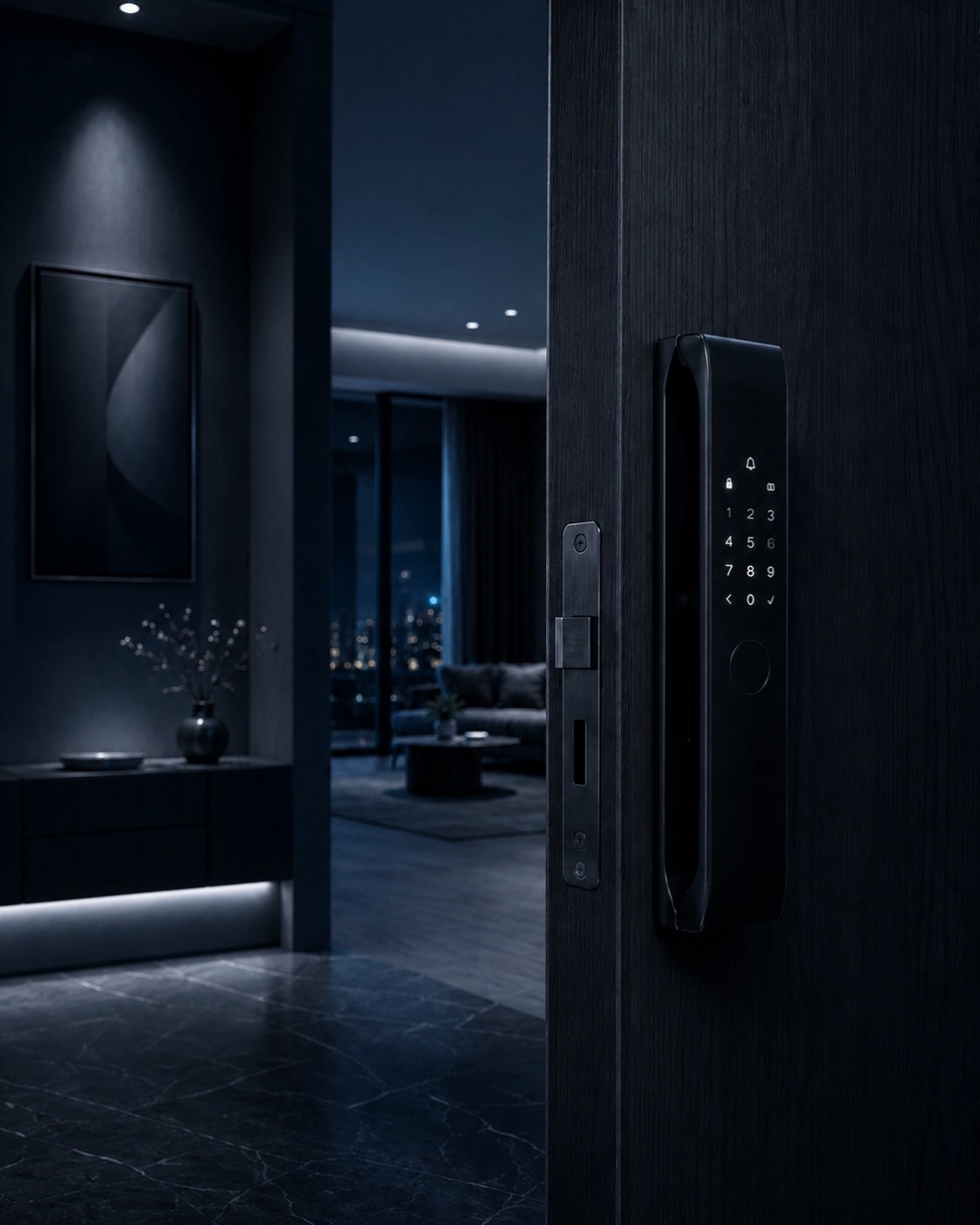
Smart lock hardware used in a connected access-control setting.Deployment reference
Smart lock access system
Connect lock hardware, credentials, onboarding, roles, records and production tests.

Start with the lock and access system

Connect lock hardware, credentials, onboarding, roles, records and production tests.

Keep access rights, lock state and event records aligned

Access products fail when the lock, app permissions and cloud records use different role or state models. Installation and battery behavior also change what the service can promise.

What this gives the buyer

Give residents, operators and support teams a consistent access flow tied to a configurable smart lock product.

From credential request to recorded lock event

  1. 01

    User or operator creates an account and binds the lock

  2. 02

    Credentials and access roles are assigned

  3. 03

    Firmware enforces local device states and permissions

  4. 04

    Events and selected alerts are recorded in the cloud

  5. 05

    App and dashboard views follow the same role model

Fix installation and access rules before the sample

  • Installation and lock mechanism
  • Access methods and credential lifecycle
  • Local and remote permission boundary
  • Battery target and weak-signal behavior
  • Account recovery, records and private deployment

Smart Lock IoT Solution fit and common questions

A smart lock IoT system connects the lock hardware and credentials to onboarding, account roles, access rules, event records, alerts and production validation.

Best for
  • Give residents, operators and support teams a consistent access flow tied to a configurable smart lock product.
  • Smart Lock Products
Check first
  • Projects without a product or deployment owner
  • Commercial assumptions before configuration
Typical scope
  • User or operator creates an account and binds the lock
  • Credentials and access roles are assigned
  • Firmware enforces local device states and permissions
  • Events and selected alerts are recorded in the cloud
What you receive
  • Installation and lock mechanism
  • Access methods and credential lifecycle
  • Local and remote permission boundary

Prepare the smart lock sample brief

WhatsApp Hanwu