Embedded product engineering
Coordinate the board, interfaces, power, firmware and device states around the finished product.
Hanwu brings hardware, firmware, apps, cloud services and production testing into one coordinated program—from sample definition to controlled production release.
Choose the nearest device and software system, then define the market, functions, brand experience and production evidence your program requires.
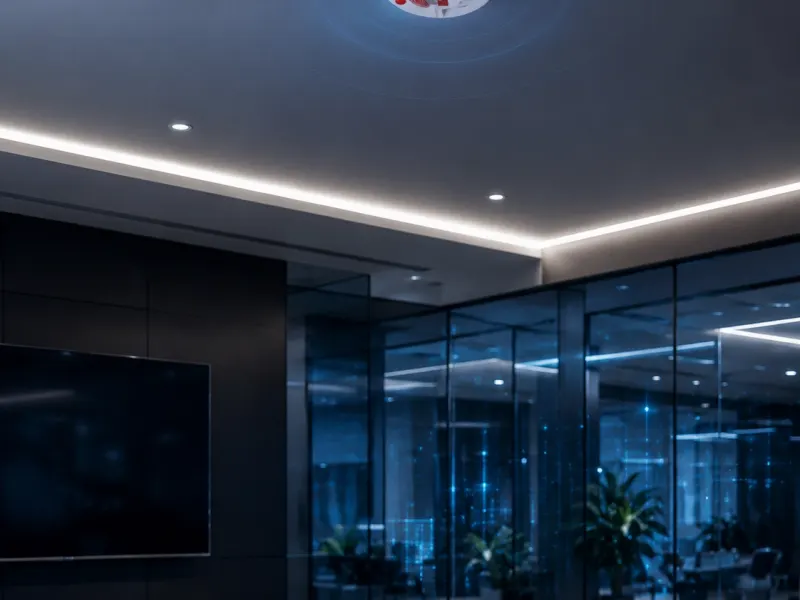
Alarm or detection device + branded app + monitoring platform
For brands that need a defined device event to reach the right user, monitoring workflow and factory test.
Find the Right Detection Starting Point
V16 light + cellular module + DGT reporting software
For roadside-safety brands that need the device, reporting path and authorized project files reviewed together.
Check V16 Project Fit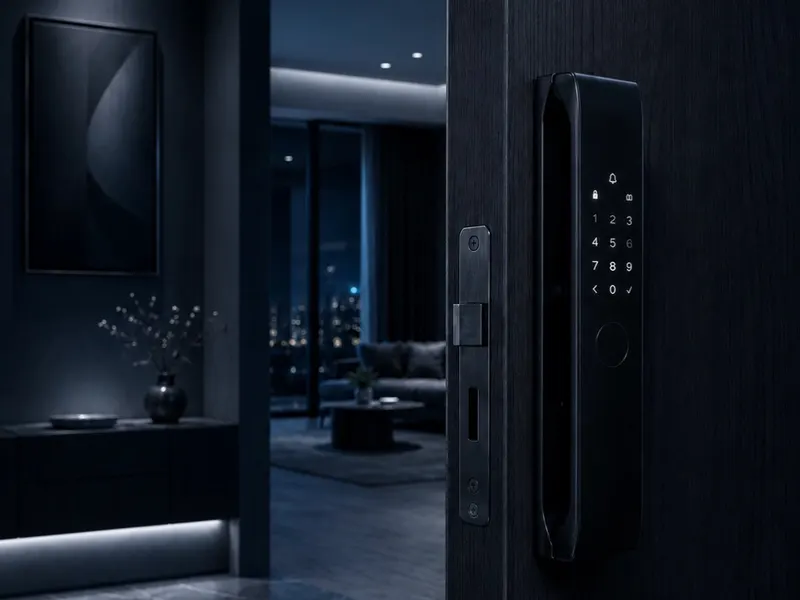
Lock + branded user app + management portal
For access brands that need every credential, permission and event record to match the physical lock.
Check Smart Lock Product Fit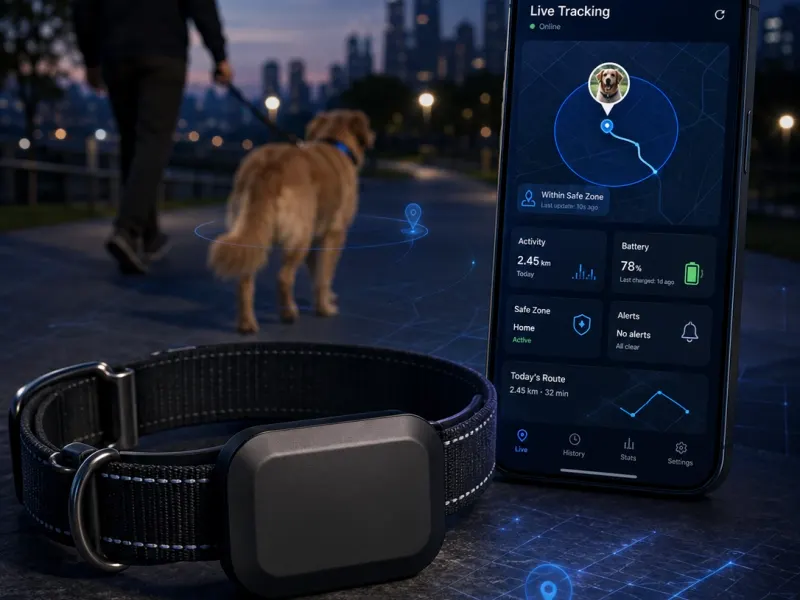
Tracker + branded mobile app + service console
For pet brands turning a connected tracker into an owned customer service—not just a piece of hardware.
Check Pet Tracking Product Fit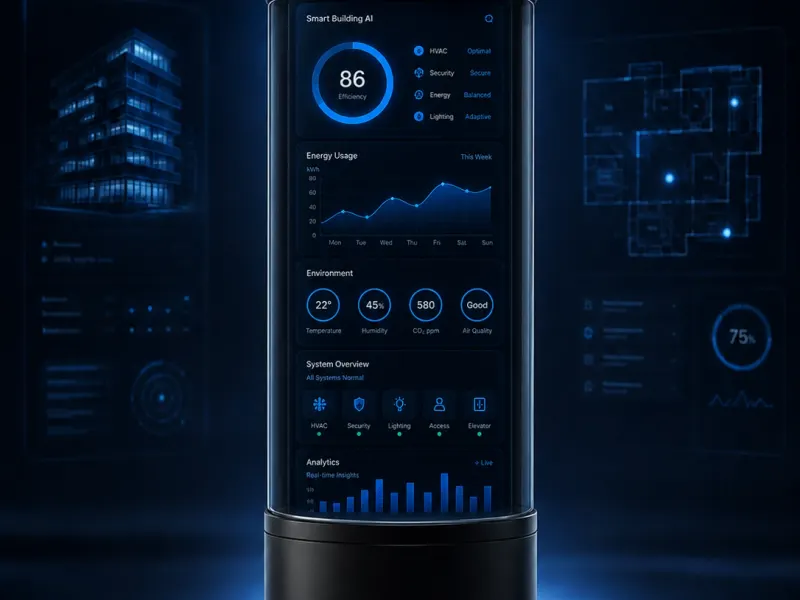
Booth + operator controls + content platform
For venues and solution providers that need an AI experience their operators can approve, run and maintain.
Check AI Booth Pilot FitCoordinate the board, interfaces, power, firmware and device states around the finished product.
Select the radio, antenna, onboarding and device model required by the market and operating flow.
Tie user and operator workflows to the same device configuration, data model and ownership boundary.
Release firmware, software versions and product-specific production checks against one approved baseline.
Start from the closest product system, then agree what changes across the device, software, brand experience, deployment and production release.
Adapt the product form, interfaces, power, accessories, installation, labeling and packaging.
Configure radio choice, device behavior, reporting, power, recovery and production programming.
Define branded mobile and browser experiences, roles, languages, workflows, alerts and support.
Agree interfaces, hosting, accounts, tenancy, source-code scope and product-data ownership.
Each stage closes a product, software or test decision before it becomes a pilot-build problem.
Choose the closest product and record the market, users, hardware, software, integration and validation requirements.
Combine the agreed device, firmware, app or web workflow, cloud connection and initial production-test method.
Test representative installation, connectivity, user workflows, data behavior and operating responsibilities.
Lock the approved materials, firmware, software versions, programming, functional tests and delivery records.
Use samples, fixtures, validation units and product-specific records to verify what will be built and tested for the selected product system.
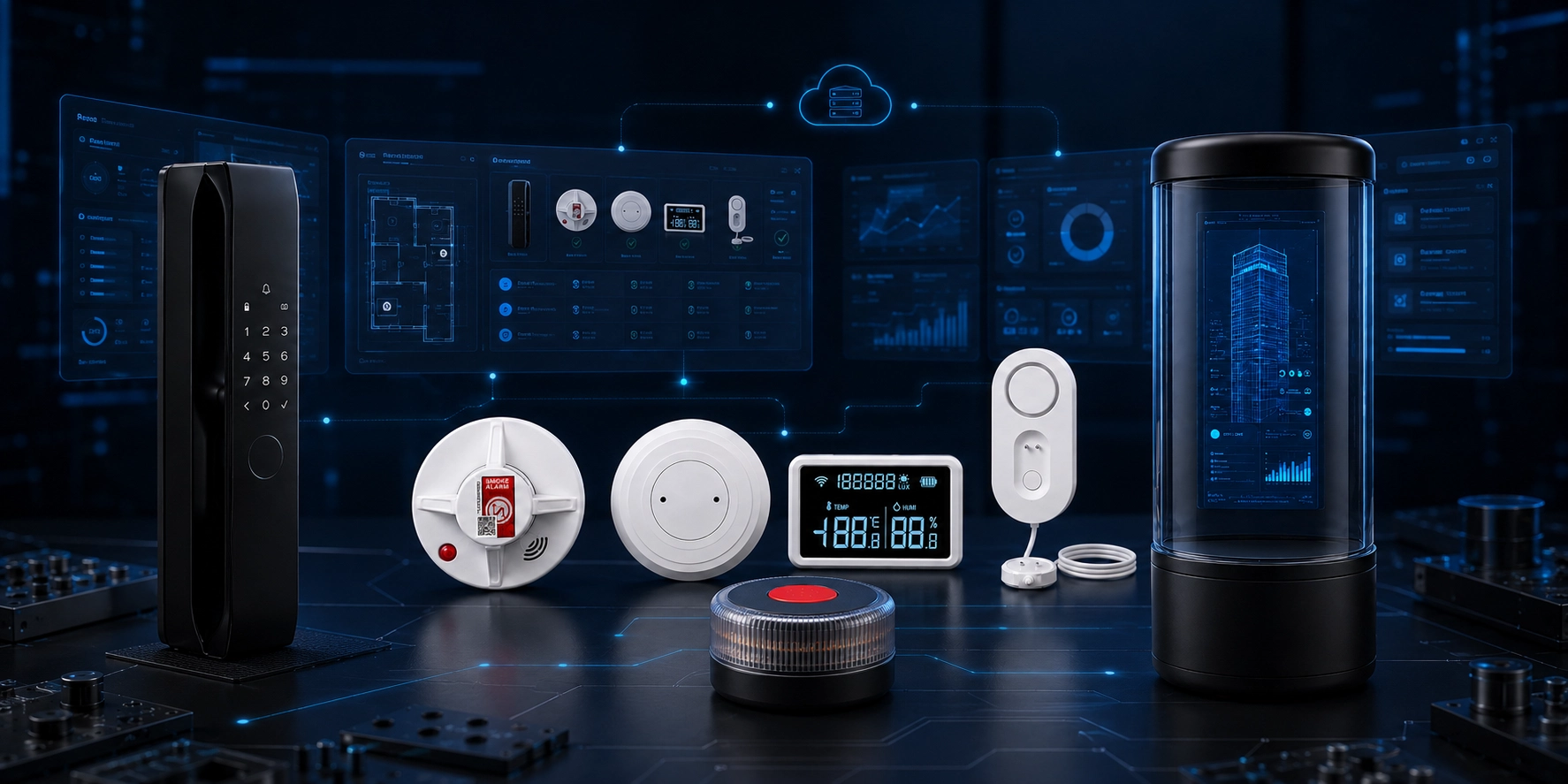
Configured devices, enclosures and product forms prepared for buyer review.
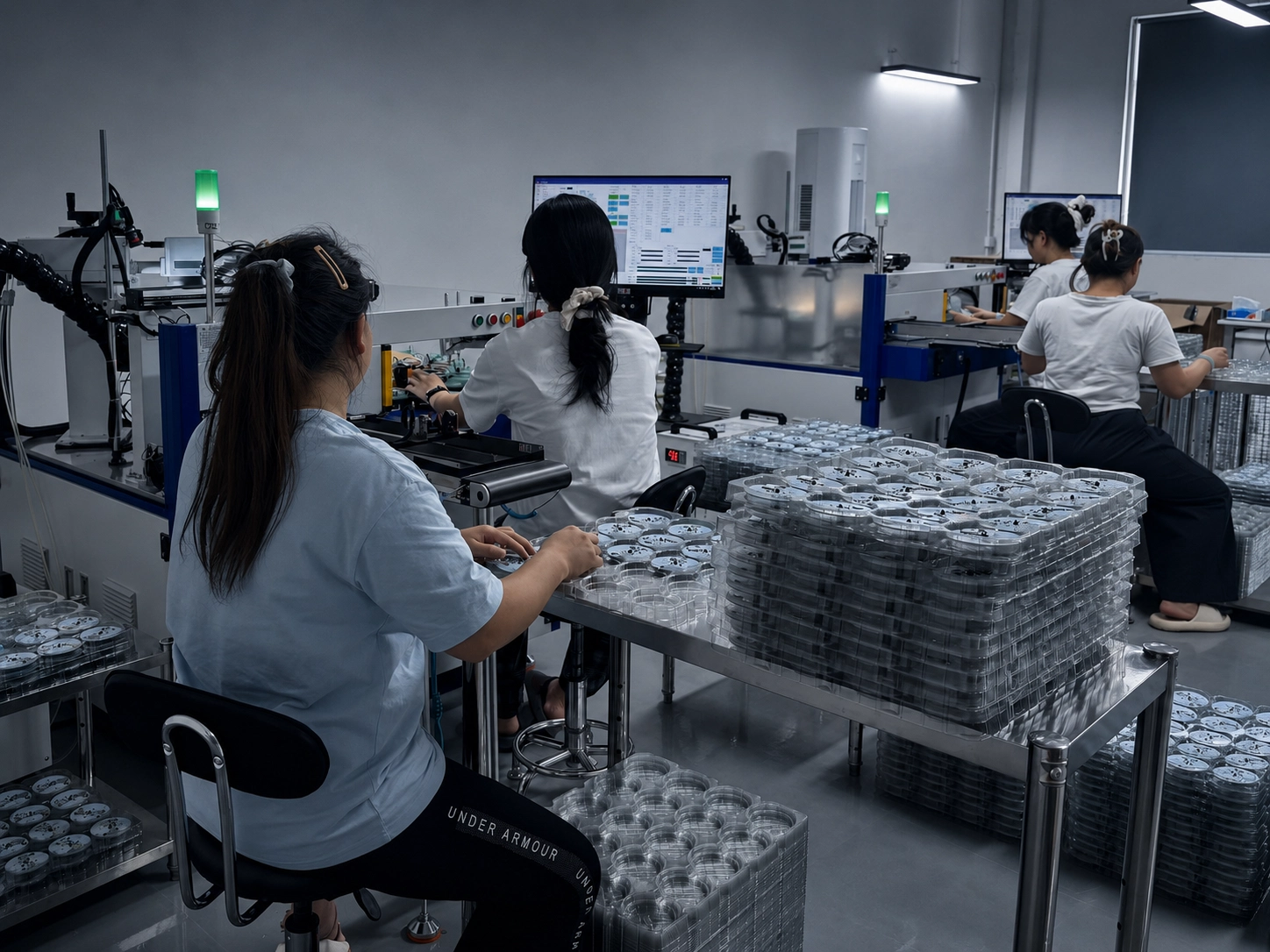
Programming, interface and functional checks used for the selected configuration.
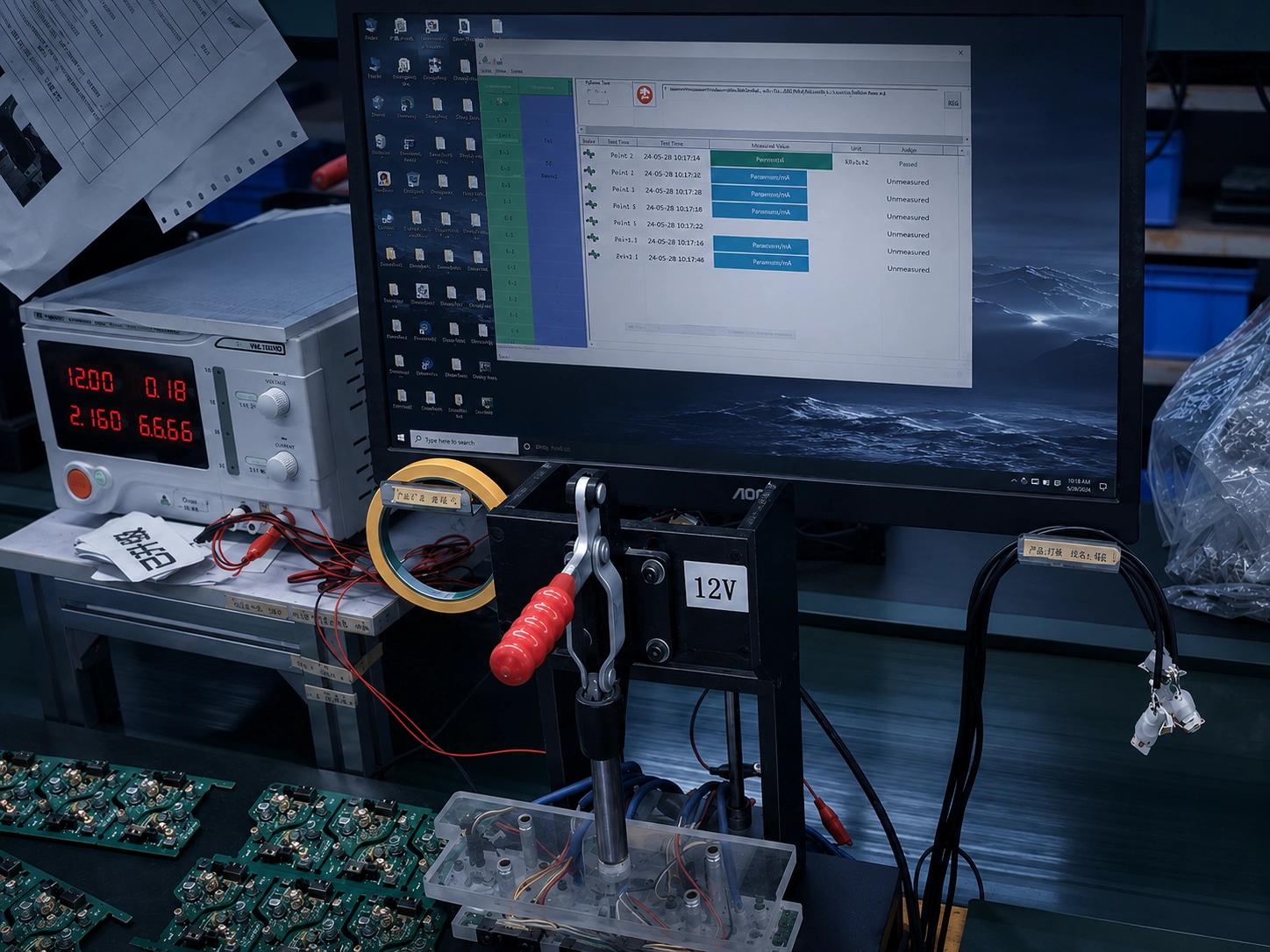
Pilot-stage units checked against the approved hardware and software configuration.
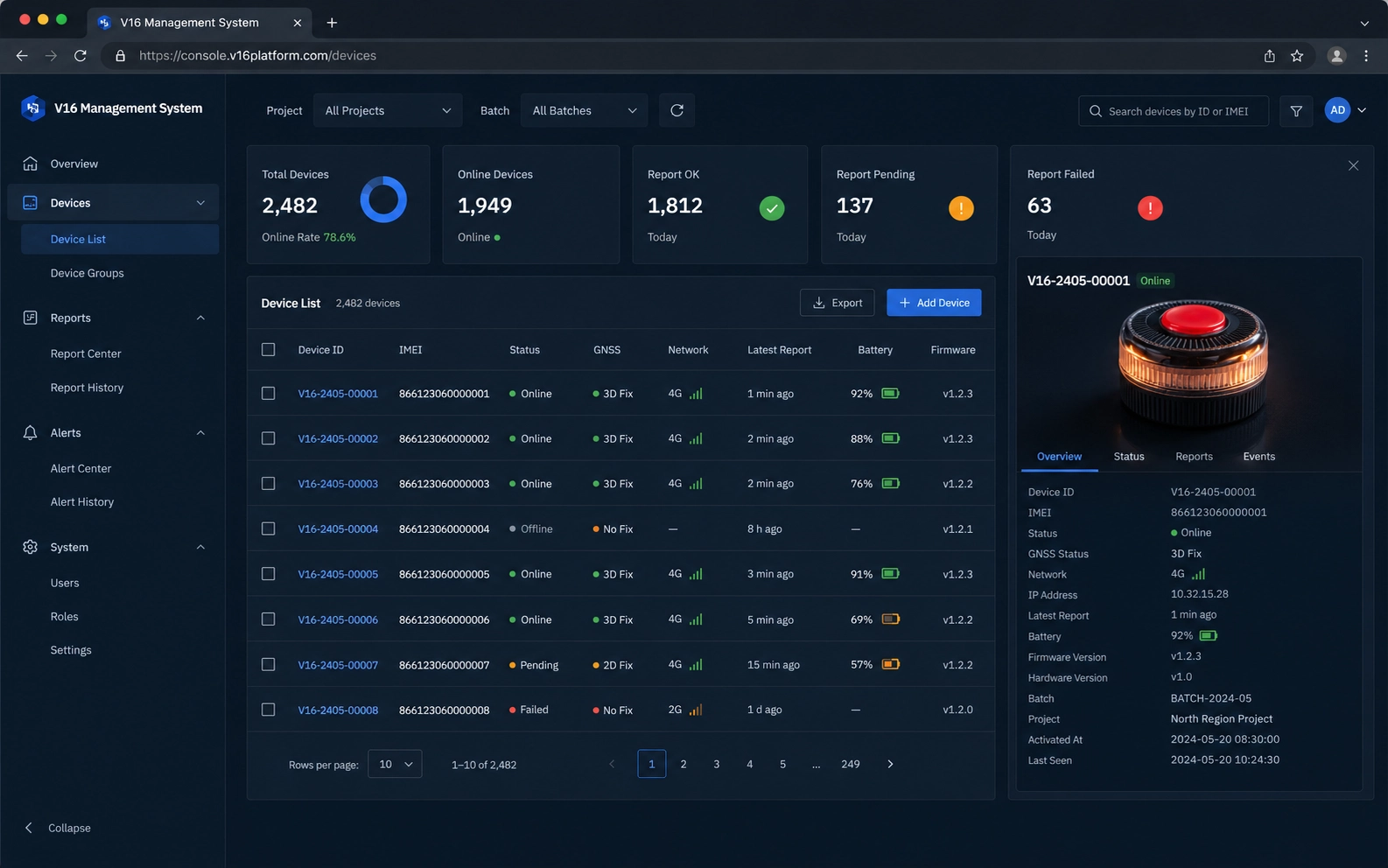
Software versions, test results and release records retained for review.
Yes. Hanwu’s product lines provide a starting architecture that can be adapted for the brand, target market, device configuration and service model. The sample scope is fixed after the product and market requirements are reviewed.
Depending on the product, customization can cover the enclosure, PCBA, wireless bands, firmware, app identity, cloud accounts, dashboards, alerts, packaging, documentation and production tests.
Yes. Wi-Fi, Bluetooth, NB-IoT and Cat.1 module work can be scoped separately. Hanwu’s broader value is integrating connectivity with the finished device, firmware, app or cloud and production testing.
The agreed scope may include board and module integration, embedded behavior, pairing and reporting, mobile and dashboard flows, account permissions, device management, validation plans and production test fixtures.