
Products / V16 Emergency Warning Lights
V16 light + cellular module + DGT reporting software
Build a V16 product around one verified configuration.
Hanwu supports V16 Emergency Warning Light OEM/ODM programs with warning-light device configuration, cellular and GNSS integration, DGT 3.0 reporting software, production programming and functional testing. Certificate or sub-certificate use is reviewed only against the final configuration, applicant, project agreement and authorized files.
- Starting point
- V16 Emergency Warning Lights
- Project fit
- V16 warning-light brands preparing connected products
- Program path
- Configuration, sample, pilot and production release

When V16 Emergency Warning Lights are the right starting point
A V16 product program starts with the Spain-market configuration, visible warning function, GNSS and cellular reporting path, DGT 3.0 data behavior, software handover and production baseline. Each program has its own configuration and approval boundary; a module, customer file or reference design does not automatically transfer certification to the finished product.
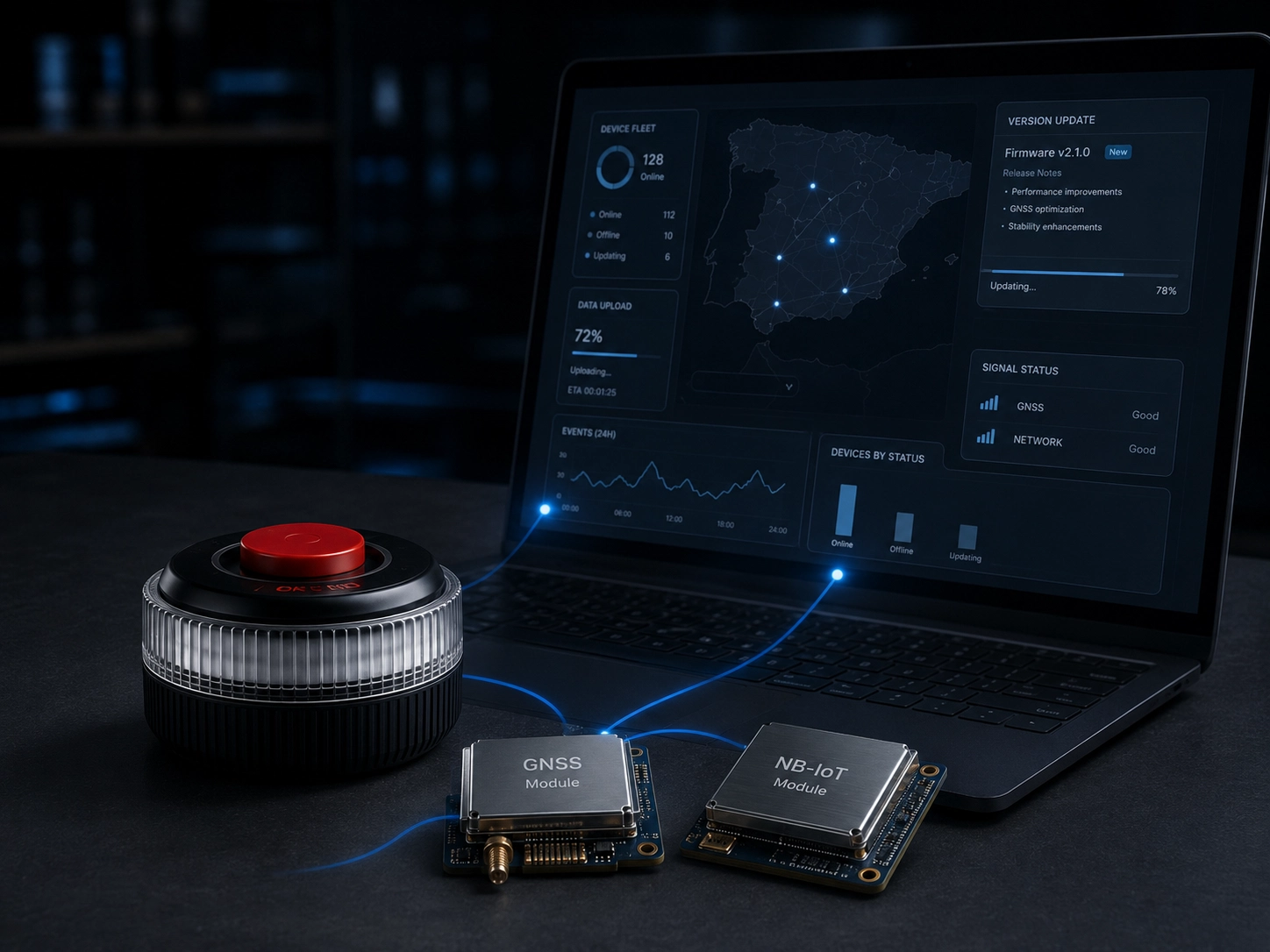
Module and reporting-software upgrades

Roadside emergency-warning products

Spain-market connected safety devices
V16 reporting software for device registration, DGT data and production support
The V16 scope can include software for device registration, approved data fields, DGT-related reporting workflow, production configuration and service records around the final product program.
V16 configuration and service app
Support device registration, identity checks, activation status and field-service information in a controlled mobile workflow.
Installers, service teams and authorized program operators- Register or identify a V16 device
- Check activation, GNSS and cellular reporting status
- Record service or replacement information for the program
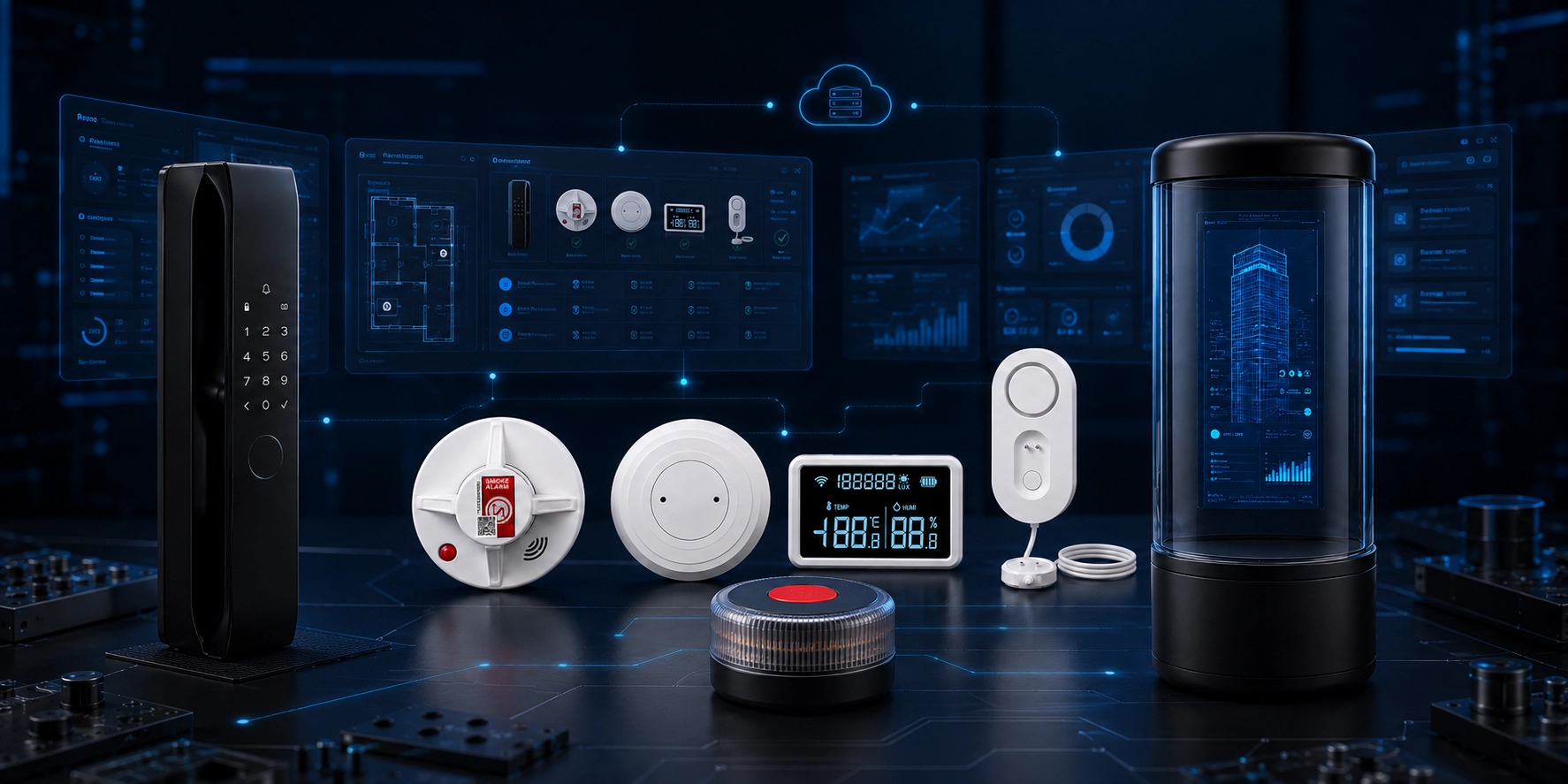
Device identity, certificate-file reference and installation record

GNSS, cellular signal, activation state and latest reporting result

Service history, replacement records and latest reporting result
V16 device and reporting console
Manage devices, software versions, reporting records, production batches and project-file boundaries from a browser workspace.
Brand operations, certification-file and production-support teams- Review device inventory and reporting state
- Track production batches, software versions and configuration records
- Maintain project files, certificate references and support records
.webp)
Device list, reporting state, software version and project-file reference
.webp)
Batch records, programming results, functional tests and certificate-file notes
DGT reporting, certification-file and production integration
Define approved data fields, reporting ownership, certificate or sub-certificate file usage, hosting, production records and handover responsibilities before the sample build.
- DGT 3.0 reporting data model
- Device identity and event-report fields
- Certificate or sub-certificate file boundary
- Production programming and test records
- Dedicated or buyer-owned deployment where agreed
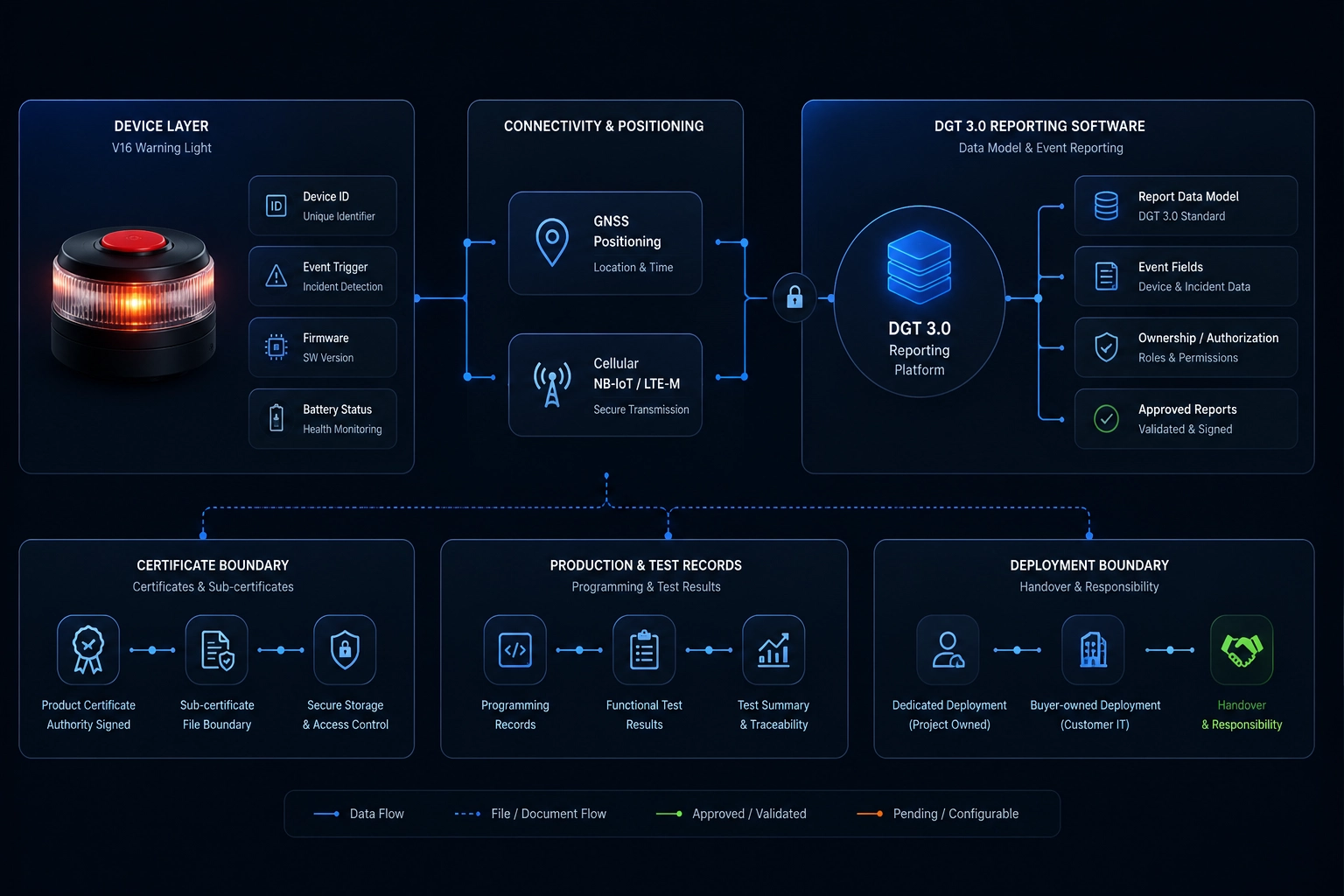
V16 warning-light system architecture
Warning-light device, cellular module, GNSS location, firmware behavior, DGT 3.0 reporting software, production records and authorized certificate-file support.
Software areas you can configure
- App identity, language and operator roles
- Device-registration and service workflow
- DGT-related data fields and reporting behavior
- Certificate-file reference and authorization boundary
- Dashboard fields, filters and production reports
- Hosting, accounts, API and data ownership
Software outputs for review
- V16 mobile configuration-flow definition
- Device and reporting console definition
- DGT-related data model and reporting boundary
- Certificate or sub-certificate file-use boundary
- Configured software build for sample and production review
Core product functions
- High-visibility warning-light device configuration
- Cellular module and antenna integration
- GNSS location and device identity reporting
- DGT 3.0 data workflow and reporting software
- Firmware activation, status and fault behavior
- Production programming, communication and functional tests
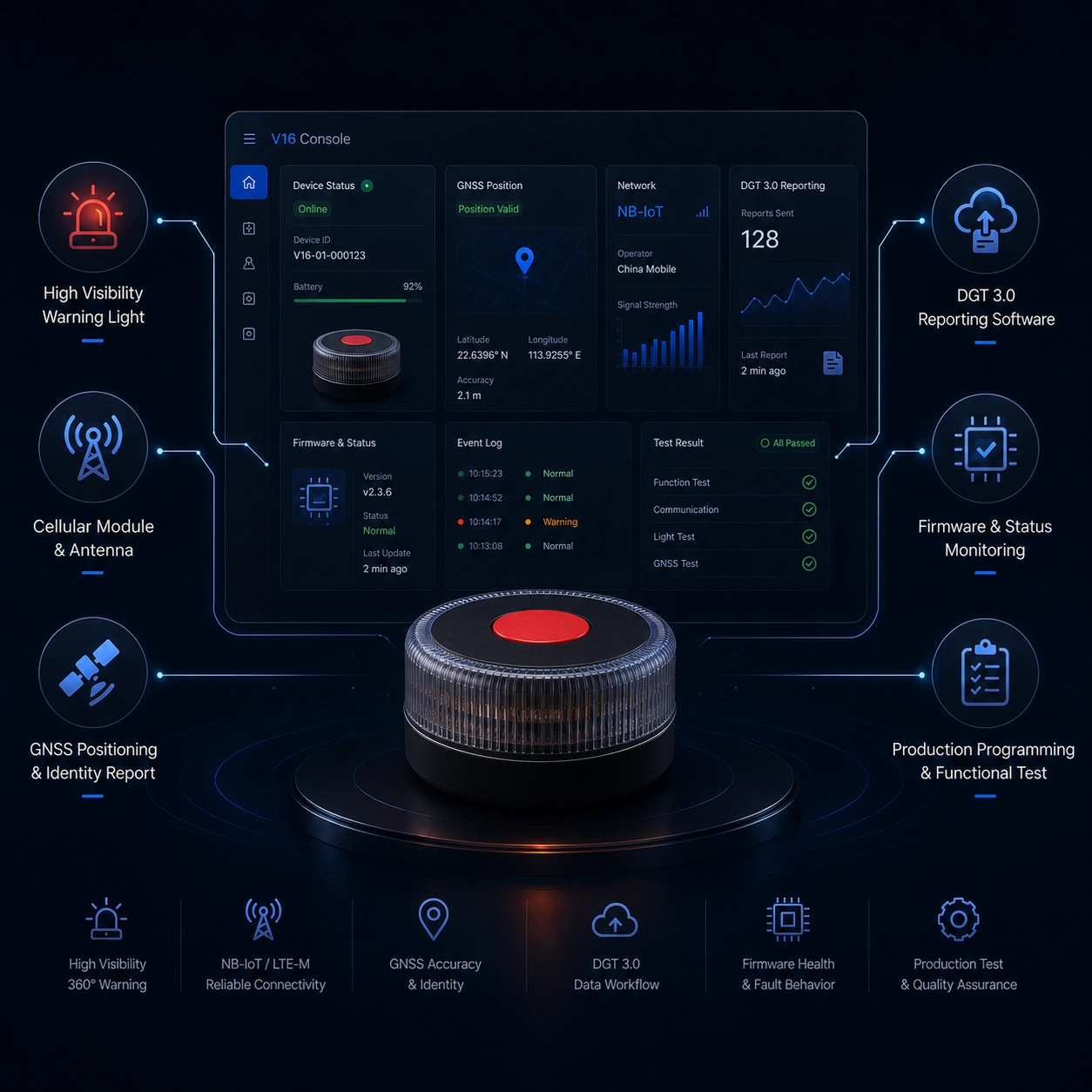
Decisions that turn the starting point into your product
A connected V16 warning-light product with cellular module, GNSS location, DGT reporting software, certificate-file support and production release controls.
Review the device, module, firmware, DGT reporting path, authorized files and production tests together before treating the sample as a release baseline.
- Warning-light enclosure, lens and mounting direction
- Cellular module, SIM or network-service boundary
- GNSS location and DGT 3.0 reporting data fields
- Firmware state, activation and recovery behavior
- Device registration, configuration and reporting software
- Certificate or sub-certificate file boundary where authorized
- Packaging, programming, functional tests and production records
Configure the product around your market—not around a generic demo.
Start from the closest product system, then agree what changes across the device, software, brand experience, deployment and production release.
Hardware and enclosure
Adapt the product form, interfaces, power, accessories, installation, labeling and packaging.
- Industrial-design and enclosure changes
- Interfaces, accessories and installation
- Labeling, packaging and documentation
Firmware and connectivity
Configure radio choice, device behavior, reporting, power, recovery and production programming.
- Wi-Fi, Bluetooth, NB-IoT or Cat.1 where applicable
- Device states, reporting and update logic
- Programming and functional-test release
App, web and brand experience
Define branded mobile and browser experiences, roles, languages, workflows, alerts and support.
- App identity and interface language
- User, operator and administrator workflows
- Dashboard fields, alerts and reports
Cloud, API, deployment and data
Agree interfaces, hosting, accounts, tenancy, source-code scope and product-data ownership.
- API and third-party integration
- Public, dedicated or private deployment
- Account, hosting, source-code and data ownership
Review the work behind the product,not just the finished enclosure.
Use samples, fixtures, validation units and product-specific records to verify what will be built and tested for V16 Emergency Warning Lights.

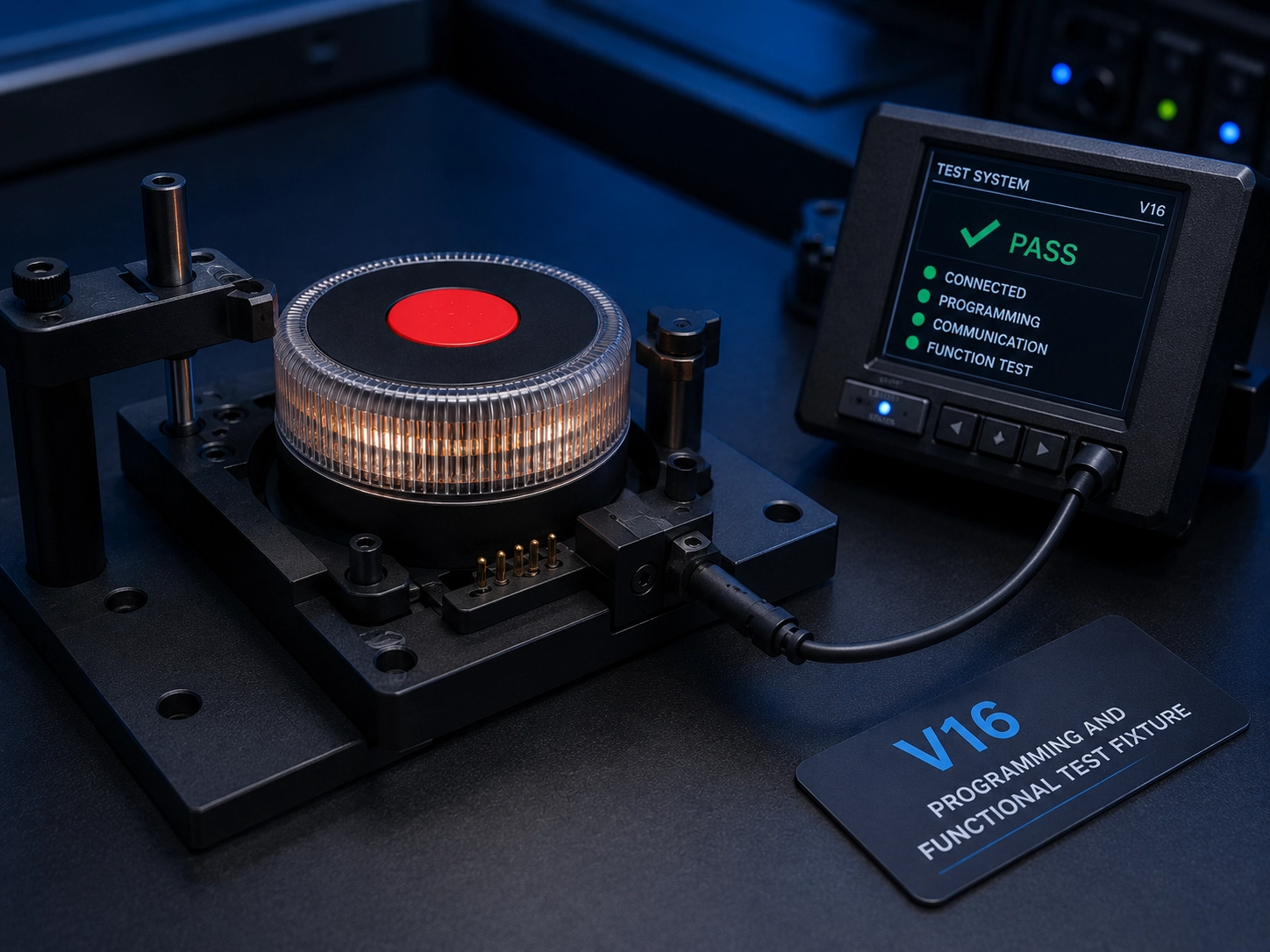
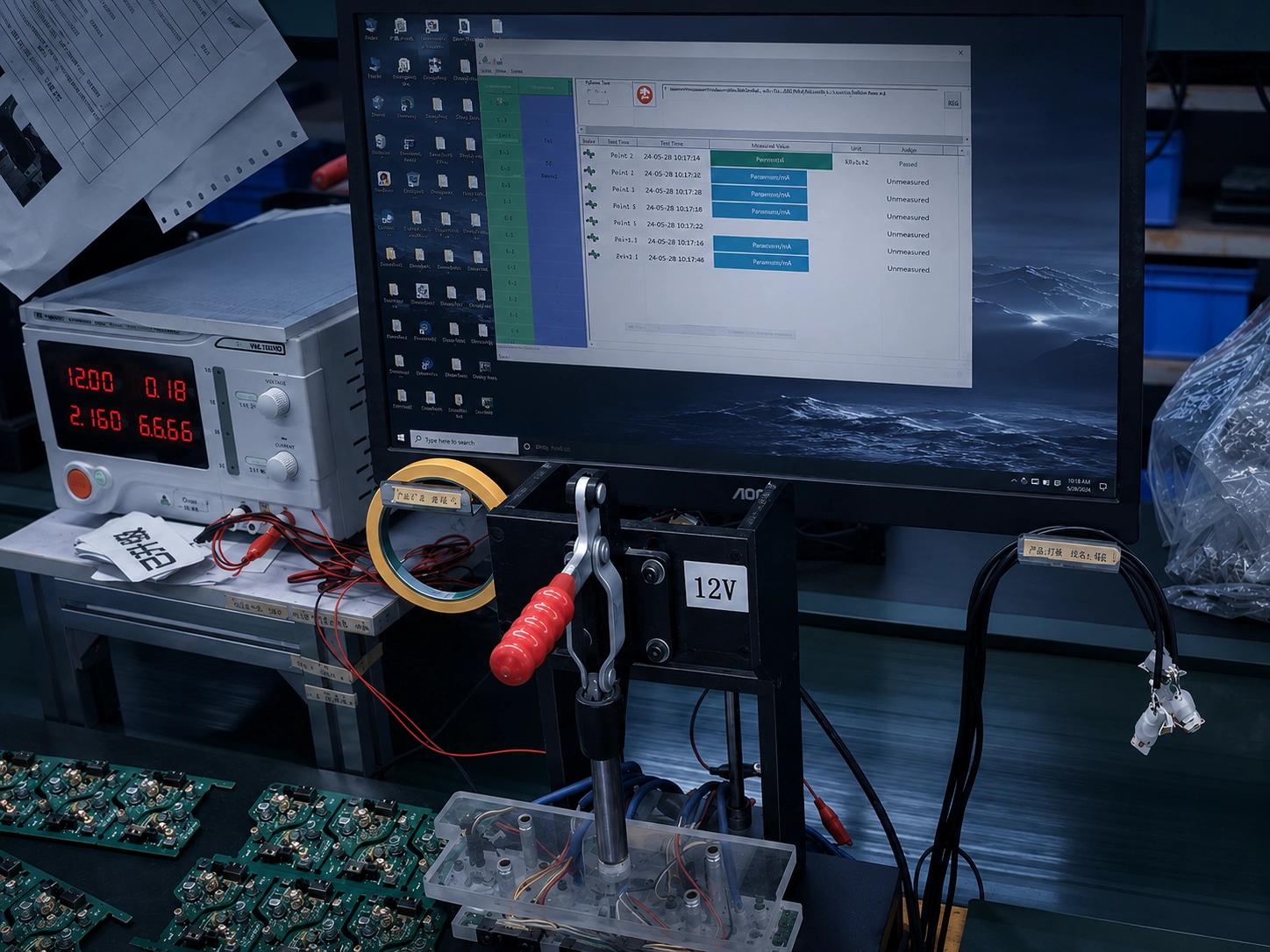

What stays fixed, what can change, and what must be checked again
Use the current V16 Emergency Warning Lights reference as the starting point. Any change that affects the product, software, installation or market must be reviewed before release.
Configuration boundary
Warning-light device
- Current
- V16 reference device with cellular and GNSS support.
- Can change
- Enclosure, lens, mounting, branding and packaging.
- Recheck
- Visibility, mechanical fit and final enclosure behavior.
Cellular and GNSS
- Current
- Selected module, antenna and GNSS reporting path.
- Can change
- Module, SIM or service boundary, antenna and data fields.
- Recheck
- RF, registration, GNSS, power and regional network support.
Firmware and reporting
- Current
- Activation, status, fault and reporting workflow.
- Can change
- Device states, data fields, screens, API and deployment.
- Recheck
- Reporting, compatibility, access control and recovery.
Production and files
- Current
- Programming, communication and functional checks.
- Can change
- Programming data, test flow, packaging and file references.
- Recheck
- Final test method, traceability and file applicability.
Typical buyer deliverables
- Configured V16 warning-light sample
- Cellular module and firmware configuration
- DGT reporting software and data-field definition
- Certificate or sub-certificate file boundary
- Production programming and functional-test plan
Validation boundary
Included in the reference configuration
- Activation, status and fault behavior in the current reference
- Cellular registration and GNSS reporting flow
- Device registration and reporting workflow
- Programming and basic functional checks
Requires project-specific validation
- Final visibility, enclosure and operating environment
- RF, GNSS, power and target-network performance
- DGT-related data and service arrangements
- Certificate authorization and market applicability
Reference validation does not automatically transfer to a changed enclosure, radio, battery, software stack, installation, legal entity or target market.
Configuration sheets, sample test records and applicable certification files can be reviewed against the selected product configuration, subject to file applicability and disclosure approval.
Request supporting product documentsV16 Emergency Warning Lights questions buyers ask
Hanwu supports V16 Emergency Warning Light OEM/ODM programs with warning-light device configuration, cellular and GNSS integration, DGT 3.0 reporting software, production programming and functional testing. Certificate or sub-certificate use is reviewed only against the final configuration, applicant, project agreement and authorized files.
Best for
- V16 warning-light brands preparing connected products
- Programs that need module, firmware and reporting software together
- Spain-market projects with verified certification-file ownership
Check first
- Buyers needing a public certification claim before file review
- Commodity beacon sourcing without software, reporting or production support
Typical scope
- High-visibility warning-light device configuration
- Cellular module and antenna integration
- GNSS location and device identity reporting
- DGT 3.0 data workflow and reporting software
What you receive
- Configured V16 warning-light sample
- Cellular module and firmware configuration
- DGT reporting software and data-field definition
Related decisions for V16 Emergency Warning Lights
Open the use case, engineering layer or requirements guide that resolves the next product decision.
Private IoT Platform Deployment
Decide how V16 device data, reporting software, hosting and operating records should be owned.
IoT Connectivity Modules
Compare cellular module, antenna, GNSS, network-service and certificate-file constraints for the warning light.
IoT Cloud Platform
Define device identity, reporting records, accounts, API and hosting boundaries for V16 operations.
Manufacturing and Testing
Prepare programming, communication checks, functional tests and release records for repeatable V16 production.
Product requirements guide
Organize the information needed for a configured sample.
Turn this product into a reviewable sample brief.
Send the market, users, required functions, software boundary and what the first sample must prove.